
When a float switch or an inverter is chosen for integration into a pumping system, product quality is only part of the assessment.
What happens before delivery matters too: how tightly the production process is controlled, how issues are spotted, and how quickly the manufacturer can respond when requirements, volumes or market conditions change.
These aspects are less visible but decisive for product reliability, and we have been working on them for several years, also in collaboration with our university partners.
At ‘Building Value Together’, Prof. Filippo De Carlo described how we have worked together to bring continuous improvement methods and tools into our production areas.
Everything starts from a simple question: how can we better understand what happens in our processes and make them more effective?
From the production line to practical improvements
We started by observing day-to-day activities, training our employees in Lean Production principles and involving the operators.
The operators on the line know its pace better than anyone: they know where a task tends to slow down, and they notice problems that are hard to spot from the outside. Once collected and analysed, this information tells us where to step in and what to tackle first.
In some cases, this also meant exploring new technologies.
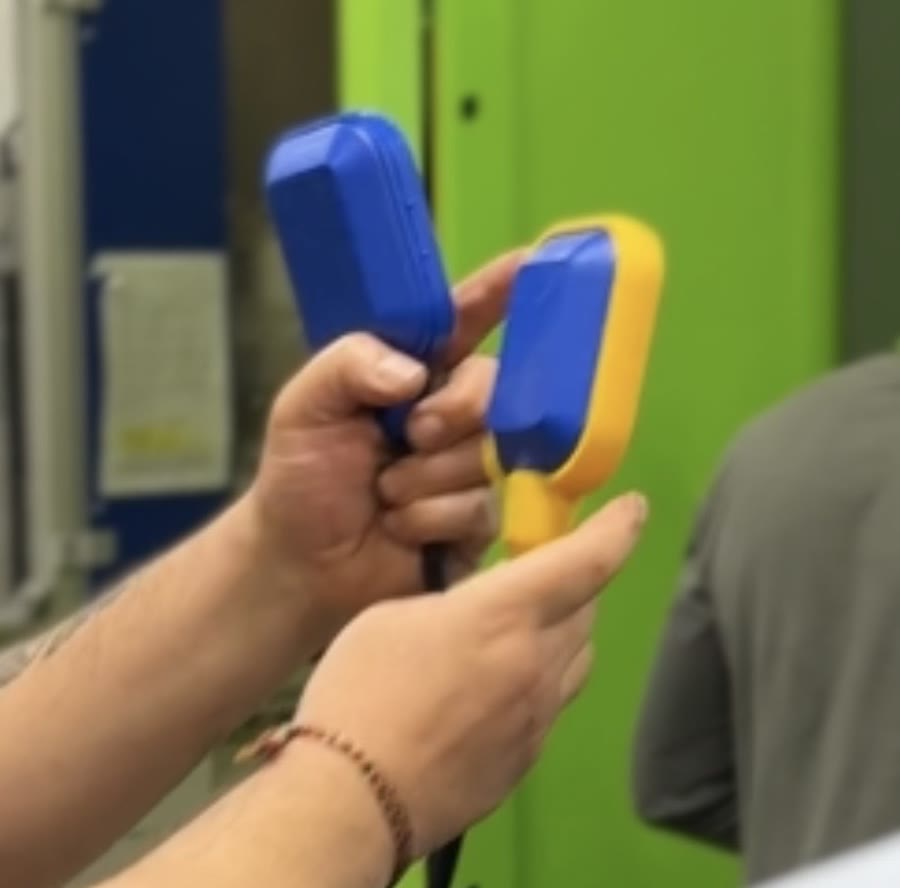
When we introduced the cobot on the production line for water pump float switches, for example, it wasn’t enough to check that it could support our operators with repetitive tasks. We analysed its impact on the whole production cycle: speed, possible bottlenecks, space requirements, maintenance and reliability.
In other cases, we focused on how work flows through the line.
On one of our inverter assembly lines, we introduced the Bucket Brigade model, following One Piece Flow principles. Instead of producing batches of semi-finished parts to stockpile and pick up later, each piece moves forward step by step, from one stage to the next and from one operator to the next.
This also changes how we identify anomalies. If a deviation appears during a step, we can catch it at the very next stage, without waiting for final testing to realise that something isn’t working as intended.
At the same time, we are working on how we collect and read our performance and quality KPIs, so that we can distinguish between a one-off variation and a real process problem, and act quickly on the cause.
The cobot, the flow and the KPIs all follow the same logic: spot an opportunity, test a solution and check the results.
Quality is built long before delivery
Our customers don’t see how the line that produces our float switches and inverters is organised. They do see the effects.
They see them in how well we keep the process under control, how quickly we recognise an anomaly and how fast we step in before it happens again.
They also see them when production needs change, and in how quickly we can provide answers and information.
For a company that integrates our float switches or inverters into its own pumps or systems, this means one less variable affecting supply: the uncertainty about what happens between one batch and the next. Quality isn’t something we check only at the end of the line: we build it through a process we observe, measure and correct over time.